
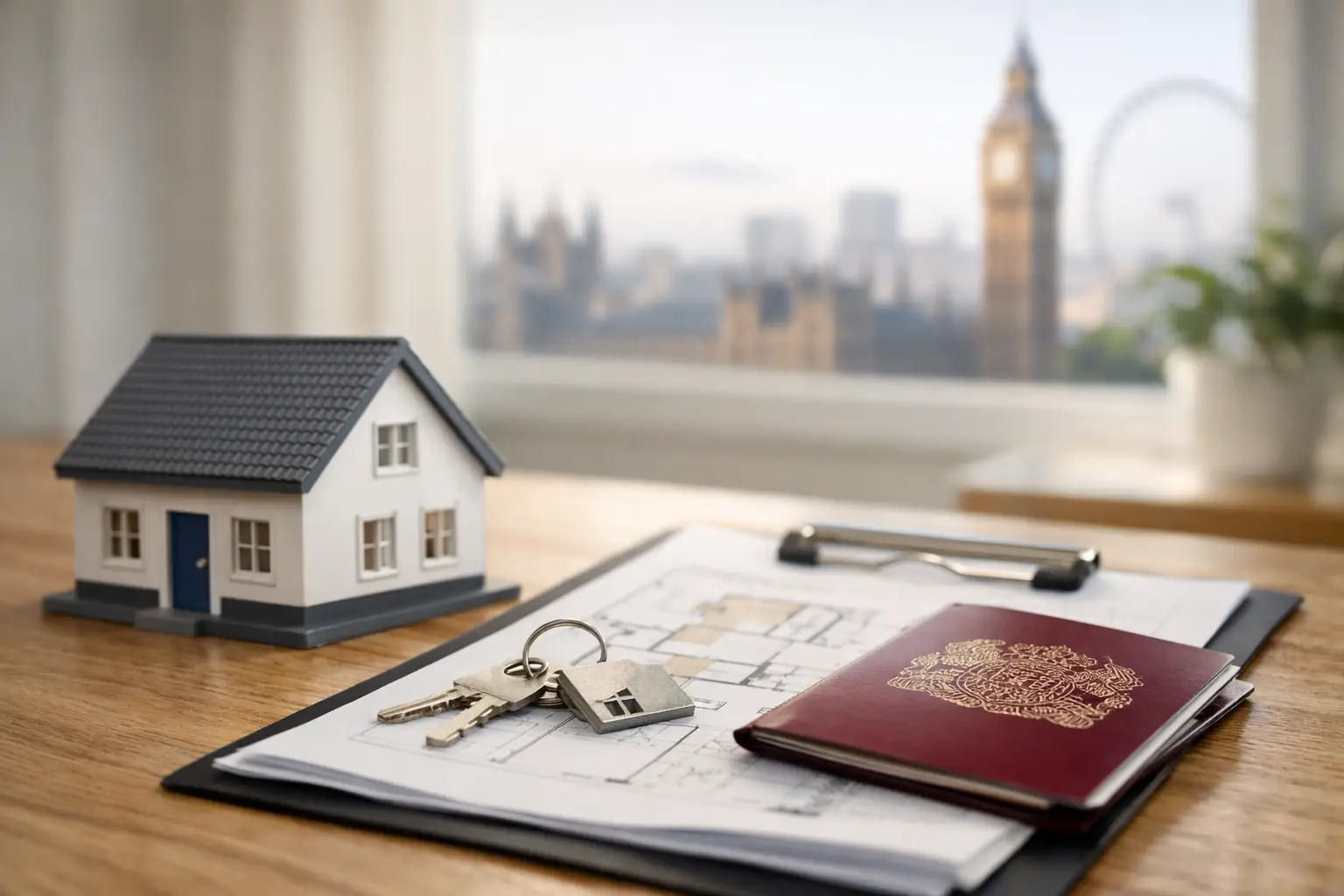
When a spouse visa application is ready to submit, one missing document can slow everything down. An accommodation report for spouse visa cases is often used to show that the property where the applicant will live is suitable, safe and not overcrowded under UK housing standards. For many couples, that report removes uncertainty and gives the caseworker clear, structured evidence from an independent professional.
This is not just a box-ticking exercise. If the Home Office is not satisfied that the proposed accommodation is adequate, the application can face questions, delays or refusal. That is why the report needs to be clear, compliant and prepared with the immigration purpose in mind.
What is an accommodation report for spouse visa applications?
An accommodation report, also known as an immigration property inspection report, is a formal document confirming that a property is suitable for occupation by the visa applicant and any other household members. In spouse visa applications, it is typically used to support the requirement that the couple will have adequate accommodation available without relying on public funds.
The report is based on an inspection of the property. It is not simply a letter from the sponsor or landlord. It should assess the size of the home, the number of rooms, the current and proposed occupants, and whether the property appears free from statutory overcrowding. It may also confirm that the property is in a reasonable state of repair and fit for habitation.
For immigration purposes, the value of the report is that it presents housing evidence in a format that is easier for a caseworker to assess. Instead of leaving the Home Office to interpret tenancy paperwork, title documents and household details on their own, the report brings those points together in one professional statement.
Why the Home Office may ask for accommodation evidence
A spouse visa application must show that the applicant will have somewhere to live in the UK that is adequate for the family unit. That usually means the accommodation must be occupied exclusively by the family or shared in a way that does not create overcrowding. It must also be lawful to live there.
Some applicants assume a tenancy agreement is enough. Sometimes it may help, but on its own it does not always deal with the practical questions the Home Office can raise. How many people already live there? Is there enough usable space? Is the sponsor actually permitted to accommodate another adult in the property? If children are involved, how is overcrowding being assessed?
That is where an inspection report becomes useful. It addresses the issue directly and gives the decision-maker independent evidence rather than assumptions.
What the inspector will usually check
A proper inspection is focused on compliance, not guesswork. The inspector will normally assess the layout of the property, the number and function of rooms, sleeping arrangements, occupancy levels and general housing condition.
They will also want to confirm who owns or rents the property and whether the accommodation is genuinely available for the applicant after arrival. If the sponsor is living with family, for example, the application may also need evidence from the property owner confirming consent for the spouse to live there.
In practical terms, the inspection often considers whether the home has appropriate kitchen and bathroom facilities, whether there are visible issues affecting habitability, and whether the household size would breach overcrowding standards once the visa applicant moves in. The report should be specific. Vague wording is rarely helpful in an immigration file.
Documents often needed before the inspection
To prepare the report properly, the inspector usually needs a small set of supporting documents. These commonly include proof of address, identification for the instructing party, and evidence of the right to occupy the property such as a tenancy agreement, mortgage statement or title information.
If the property is owned or tenanted by someone other than the sponsor, a letter of permission may be needed. Where multiple people live at the address, details of all current occupants are important because overcrowding calculations depend on who is already there and how the rooms are used.
Getting these documents ready early helps avoid delay. In time-sensitive spouse visa matters, the issue is often not the inspection itself but missing paperwork that prevents the report from being finalised.
When an accommodation report is most useful
Not every case carries the same level of risk. If the accommodation is straightforward, privately occupied by the sponsor and clearly large enough, some applicants may feel comfortable relying on other evidence. Even then, a report can strengthen the file.
It becomes especially useful where the property is shared, where extended family members live at the address, where children are part of the household, or where the sponsor lives in rented accommodation and the position needs to be evidenced carefully. It is also helpful where solicitors want a cleaner, more defensible document bundle for submission.
In other words, the report is not only for difficult cases. It is often used because it reduces avoidable questions.
Common mistakes that cause problems
The most frequent issue is assuming that any property report will do. A general survey or informal letter may not address the immigration-specific points the Home Office expects to see. A report for spouse visa use should clearly deal with adequacy, occupancy and overcrowding in the context of the actual household.
Another common problem is giving incomplete occupant information. If the report lists fewer residents than the supporting documents suggest, that inconsistency can undermine the application. The same applies where room usage is unclear. A dining room that is used as a bedroom, for example, may affect the assessment and should not be ignored.
Timing also matters. If an applicant waits until just before submission, any delay in arranging access, collecting documents or obtaining landlord consent can hold up the whole case. Fast turnaround is valuable, but even a responsive service works best when clients provide accurate information from the start.
How long does the process usually take?
For most applicants, the process is straightforward when handled by a specialist provider. The usual stages are instruction, document review, appointment booking, inspection and report issue. Where access is available and the paperwork is in order, inspections can often be arranged quickly and reports issued promptly afterwards.
That speed matters because spouse visa applications are often prepared alongside financial evidence, relationship evidence and identity documents, all of which are time-sensitive. A delay in one supporting document can hold back the entire submission.
This is one reason applicants and immigration professionals often choose a provider that focuses specifically on immigration accommodation reporting rather than general property services. A specialist understands what the report needs to say, what evidence is likely to be requested and where avoidable problems usually arise. Homewise Environmental, for example, is often instructed precisely because speed and immigration compliance need to sit together.
Choosing the right provider for an accommodation report for spouse visa cases
The key question is not simply who can inspect the property. It is who can produce a report that is clearly written, relevant to immigration requirements and delivered without unnecessary delay.
A suitable provider should understand overcrowding assessment, housing suitability, documentary requirements and the practical expectations attached to UK visa applications. They should also be able to explain the process in plain English. For many clients, this is a stressful stage of the application, and vague answers only add pressure.
It is worth checking whether the service is used regularly for spouse visas and family migration matters, whether appointments can be arranged quickly, and whether the provider requests the right supporting documents before attending. A fast inspection is useful, but a fast and incomplete report is not.
What a strong report should achieve
A good report does more than confirm that someone visited the property. It should give the Home Office confidence that the accommodation has been independently assessed and found suitable for the proposed household.
That means it should identify the address, describe the property, set out occupancy details, assess overcrowding risk and confirm that the accommodation is adequate for the applicant and any dependants. It should be professional, factual and easy to follow.
Most importantly, it should reduce doubt. The best supporting documents do not create extra questions for the caseworker. They answer the obvious ones before they are even asked.
If you are preparing a spouse visa application, treat the accommodation evidence with the same care as the financial requirement or relationship documents. A clear, compliant report can turn a point of concern into a point of confidence, and that can make the whole submission feel far more manageable.