
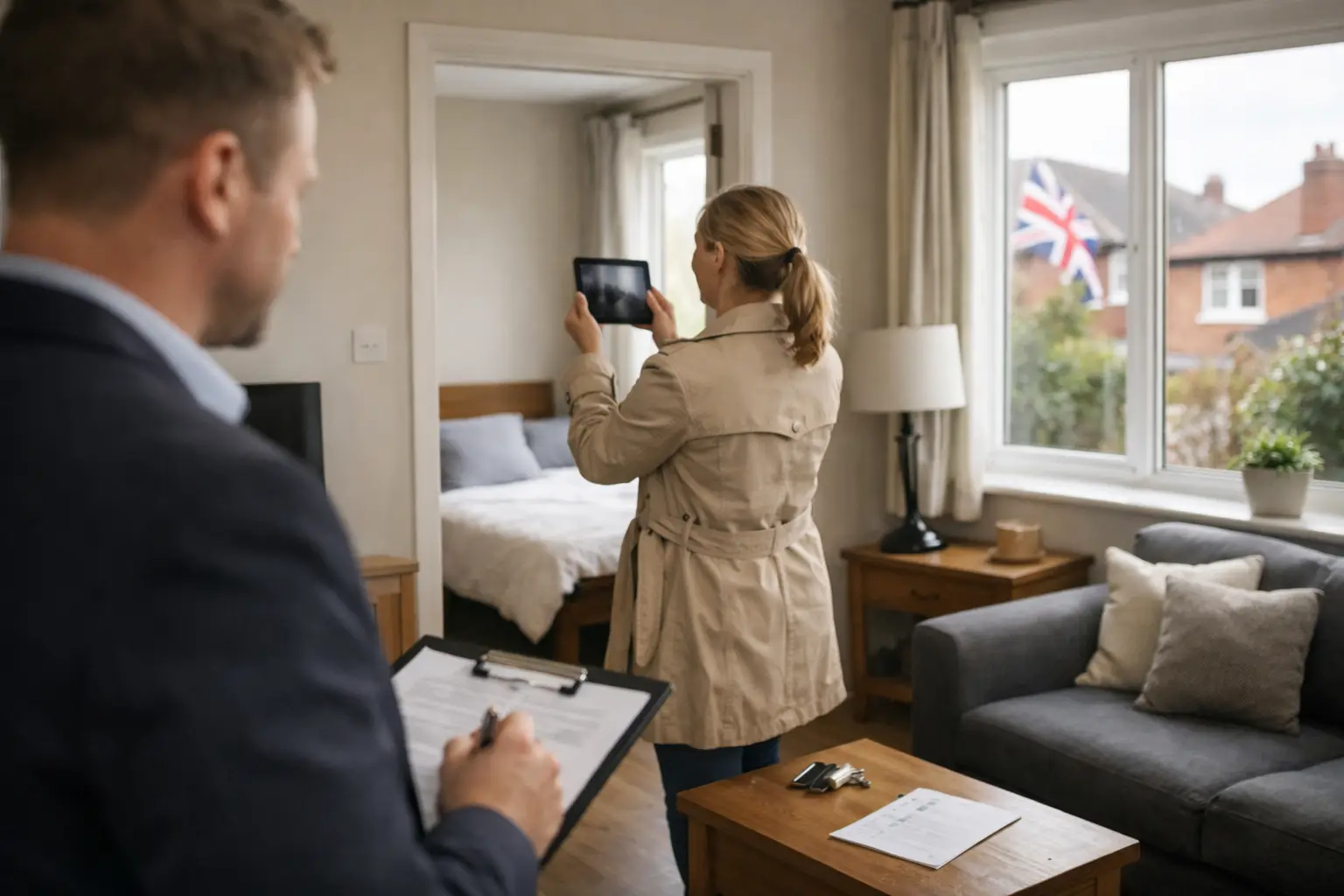
A visa application can be delayed by something that appears simple: the proposed home has not been properly assessed. Knowing how to check property habitability is therefore not just about whether a house or flat feels liveable. For a UK immigration application, you need to show that the accommodation is safe, suitable for the people who will live there and not overcrowded.
A quick look around the property can identify obvious concerns, but it cannot replace a formal inspection where a Home Office-compliant Immigration Accommodation Report is required. The right approach is to check the property against recognised housing standards, gather the correct documents and arrange an independent report early enough to avoid pressure close to submission.
What habitability means for a UK visa application
For immigration purposes, suitable accommodation is generally accommodation that will be available to the applicant and their family without the need to rely on public funds. It must be fit for occupation, free from serious health and safety risks, and large enough for the intended occupants.
The assessment is not based on décor, age or whether the property is owner-occupied. A modest property can be suitable if it is safe and has sufficient space. Equally, a modern home may raise concerns if it has serious disrepair, poor fire safety arrangements or too many people living there.
An inspection usually considers whether the property is free from Category 1 hazards under the Housing Health and Safety Rating System. These are serious hazards that can cause significant harm to occupants. The property is also assessed for overcrowding using applicable room and space standards.
This matters most for spouse, partner, fiancé, family, settlement and leave-to-remain applications, but may also be relevant where an applicant needs to demonstrate suitable housing as part of another immigration route.
How to check property habitability before booking an inspection
Start with the practical facts. Confirm the full address, property type, number of bedrooms and rooms used for sleeping, and everyone who currently lives at the address. Then add the people who will move in if the visa is granted. This is the basis for an overcrowding assessment.
Be precise about occupancy. A living room may sometimes be considered as potential sleeping accommodation, depending on its size, layout and actual use. Children are counted differently from adults for statutory overcrowding purposes, so the age of every intended occupant is relevant. Do not assume that a property is suitable simply because it has enough bedrooms on paper.
Next, consider whether the accommodation will genuinely be available. If the sponsor owns the property, evidence of ownership may be needed. If they rent, the tenancy agreement should be checked for the names of permitted occupants, any occupancy limit and whether landlord consent is required. Where the sponsor is living with relatives, a letter from the owner or principal tenant confirming permission may be necessary.
Check for serious safety and health hazards
You do not need to be a surveyor to spot issues that should be addressed before an inspection. Walk through every occupied room, including the kitchen, bathroom, hallways and any converted loft or outbuilding used as sleeping space.
Look for visible damp or mould, damaged ceilings, loose flooring, exposed wiring, unsafe stairs, broken windows, missing handrails and signs of water leaks. Check that there is a working heating system, hot and cold running water, a usable kitchen area and a functioning toilet and washing facility.
Fire safety deserves particular attention. Smoke alarms should be present and working where required, escape routes should not be blocked, and doors or corridors should not prevent occupants from leaving safely in an emergency. A property with serious fire risks, faulty electrics or unsafe gas appliances should be repaired rather than explained away in a visa application.
Not every minor defect makes a property uninhabitable. Scuffed paint, an old kitchen unit or a small cosmetic crack are not normally the same as a Category 1 hazard. The distinction is the risk to health and safety. However, where there is any uncertainty, a professional inspection gives you a clear answer before the application is submitted.
Check space and sleeping arrangements honestly
Overcrowding is one of the most common concerns in immigration accommodation cases. The assessment considers the number of people, their ages, the number and size of rooms, and which rooms can reasonably be used for sleeping.
A property should not be assessed by bedroom count alone. A box room may be too small for the proposed occupant, and a room used as a bedroom must be suitable in practical terms. It should have adequate space, light, ventilation and safe access. Sleeping in a living room can affect the assessment, particularly if it leaves the household without reasonable shared living space or creates an unsuitable arrangement.
Be especially careful where several generations live together, where children are sharing, or where a proposed applicant will join an already full household. These cases are not automatically unsuitable, but accurate measurements and occupancy details are essential.
Documents to prepare for a property habitability check
Having the paperwork ready helps an inspection and report move quickly. The exact documents depend on the property and who lives there, but it is sensible to prepare proof of address, ownership or tenancy evidence, and identification for the sponsor or applicant where requested.
For rented accommodation, provide the tenancy agreement and, if relevant, written confirmation from the landlord that the applicant may live at the property. For a property owned by a family member, provide ownership evidence and a signed letter confirming the household arrangement and permission to occupy.
You should also provide a full list of current and proposed occupants, including their ages and relationship to the sponsor. This allows the inspector to assess the accommodation against the correct occupancy position rather than making assumptions from a brief visit.
If there are known repairs, do not wait for the inspector to discover them. Arrange the work first where possible, retain any relevant evidence and make sure the property is accessible for inspection. A report should reflect the condition on the day, not a promise that a defect will be corrected later.
When a formal inspection report is needed
A self-check is useful, but it is not always enough evidence for an immigration application. Solicitors, visa advisers and applicants often request an Immigration Accommodation Report to provide independent confirmation that the address is suitable and will not be overcrowded.
A professionally prepared report should record the property address, inspection date, type of accommodation, room layout, occupancy details and relevant findings on habitability and overcrowding. It should be clear, factual and tailored to the immigration matter. Generic landlord paperwork, estate-agent details or a simple letter from a homeowner may not address the specific questions a decision-maker needs answered.
Timing matters. If an application deadline is approaching, arrange the inspection as soon as the address and occupancy plans are confirmed. Leaving it until the final days can create avoidable difficulty if repairs, landlord permission or additional documentation are needed.
Homewise Environmental provides specialist Immigration Accommodation Reports with inspections arranged quickly and reports issued promptly where the circumstances allow. For urgent cases, early contact gives the best chance of resolving any property issue before it affects the application.
Common mistakes that can weaken the evidence
The first mistake is giving an incomplete occupant list. If the report does not reflect everyone who lives in the property, its overcrowding conclusion may be unreliable. Include temporary household members where they genuinely reside at the address, not only the people named on a tenancy agreement.
The second is relying on outdated documents. A tenancy agreement from a previous address, an expired permission letter or photographs that do not show the current condition can raise questions. Evidence should match the property being offered to the applicant now.
The third is treating a repair issue as insignificant without checking the risk. Damp caused by an active leak, an unsafe electrical installation or missing smoke alarms can be more than a maintenance concern. Resolve serious problems before relying on the property for a visa application.
Finally, avoid booking an inspection before you know the intended living arrangement. The report needs the correct number of occupants and accurate room use. A last-minute change in who will sleep where may require the assessment to be reconsidered.
A practical route to a compliant result
The most reliable route is straightforward: confirm the household, check permission to occupy, identify obvious hazards, resolve any material defects and obtain an independent inspection report when required. This gives you evidence that is specific to the address and the people who will live there.
A suitable home should support the application, not become another source of uncertainty. Addressing habitability early gives you time to put the right evidence in place and submit with greater confidence.